What does it mean to be a man? The answer to that might surprise you. In fact, different people will give different answers. The idea of what is ‘masculine’ is increasingly being shown to be based on cultural expectations, and the many cultures of ancient Western Asia were no different.
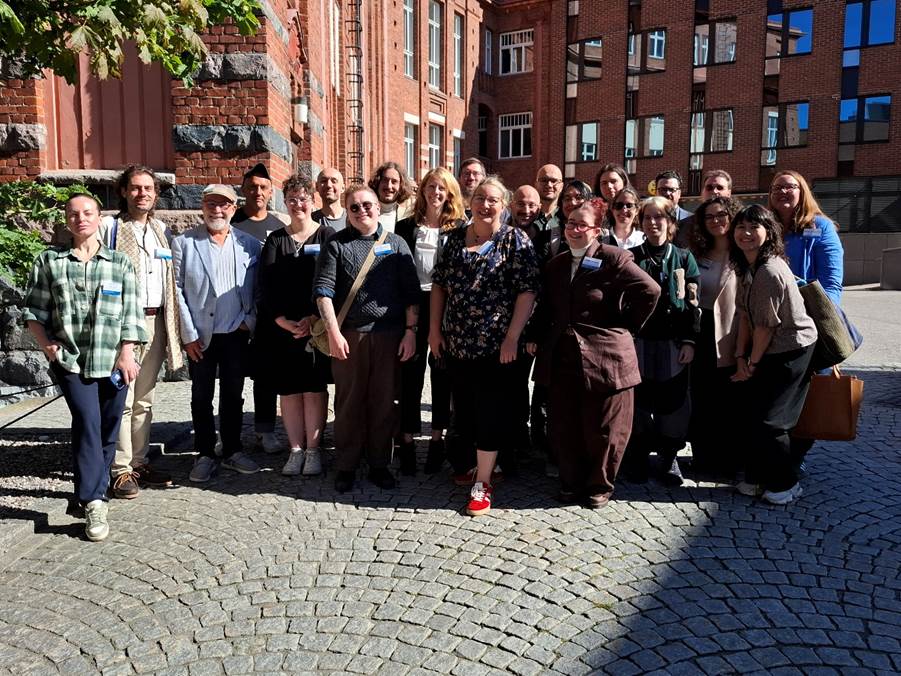
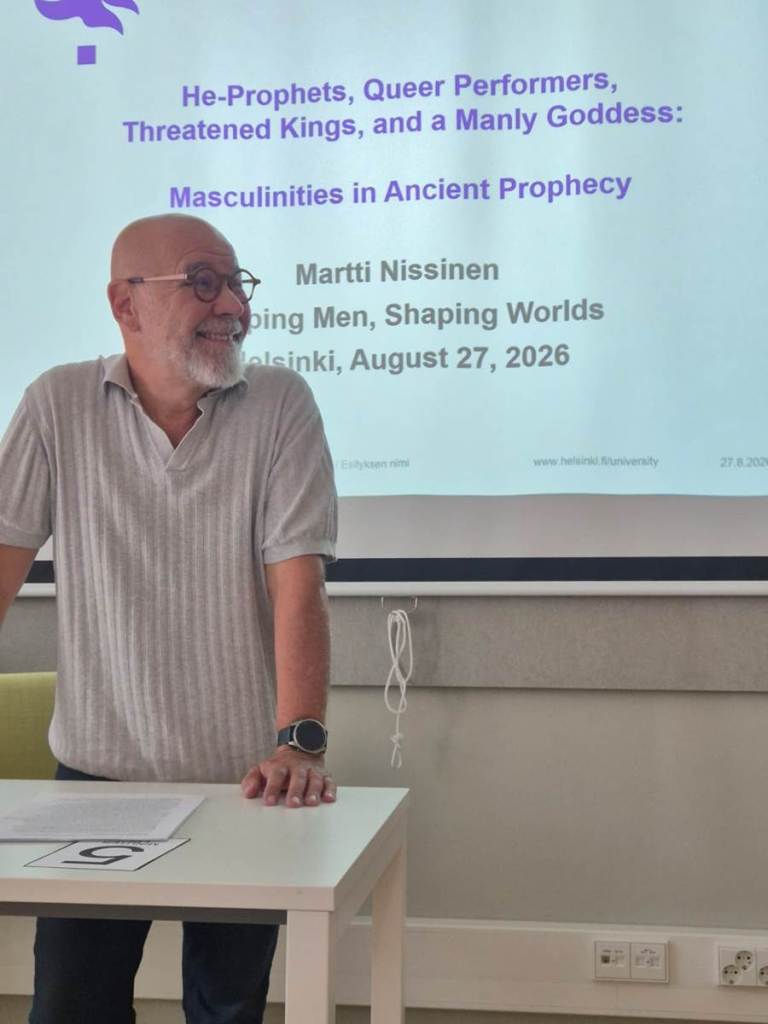
This question was at the heart of a workshop on 27th-28th August, titled Shaping Men, Shaping Worlds: Masculinities in Ancient Western Asia. The hybrid workshop included 20 papers, including a keynote from Professor Martti Nissinen (University of Helsinki). All questioned what it meant to be a man in Mesopotamian, Egyptian, and biblical sources.
The topics were diverse and included discussions on how inheritance practices determined survival in sieges (Uroš Matic); how hospitality practices were gendered (Anne Katrine de Hemmer Gudme); and how institutions could manipulate masculinities to ensure the king lived in moments of crisis (Kelsie Ehalt).
One theme permeated throughout the workshop: there was (and is) no single way to be a man. Different cultures had different ideas of what being a man meant. We even saw how the boundaries between modern ideas of a gender binary were blurred in ancient cultures. For example, Individuals could be depicted in images as women, but have male names in Achaemenid Egypt (Matheus Treuk). Masculinities were malleable, and changed depending on context, culture, and other aspects of identity.
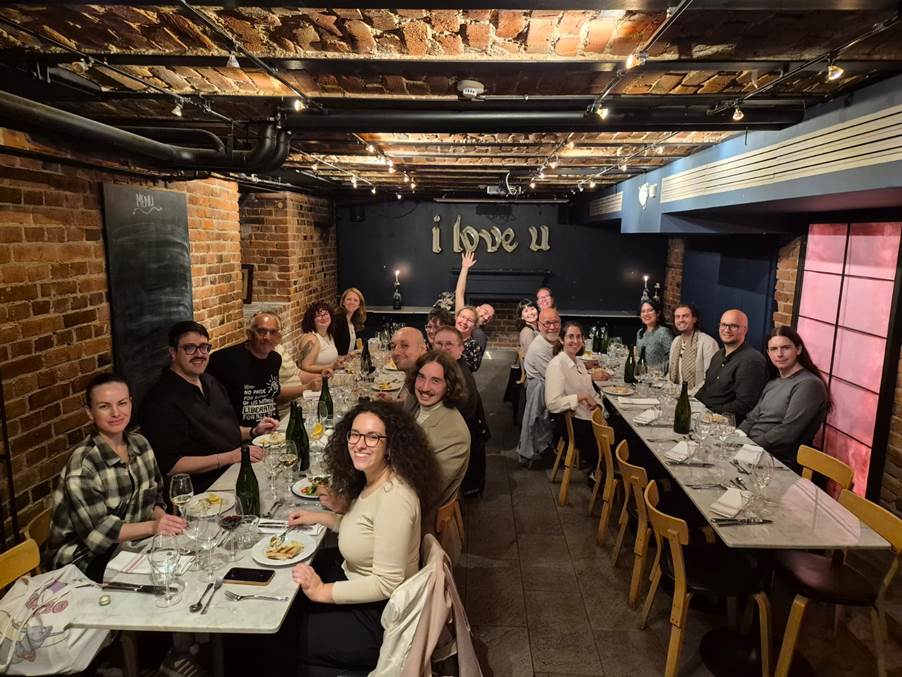
Shaping Men, Shaping Worlds was organised by Ellie Bennett (University of Helsinki) and Gioele Zisa (Sapienza University of Rome), with funding from the Centre of Excellence in Ancient Near Eastern Empires (ANEE), and supported by the Marie-Curie fellowship, University of Pennsylvania, and Sapienza University of Rome.
Shaping Men, Shaping Worlds follows in the footsteps of previous workshops, most notably Being A Man in 2014, the proceedings of which were then published by Ilona Zsolnay. However, since then the study of masculinities has been a niche field. In the largest gathering of scholars interested in ancient Western Asia gender, it is often included in panels about non-binary genders, or in panels with other themes. It was viewed as a niche field within a niche field.
The packed programme and 59 registered attendees for Shaping Men, Shaping Worlds makes one thing clear: the study of ancient Western Asia masculinities is no longer a niche field, and is only growing. Established scholars and PhD students alike are using masculinities as a key theoretical lens for their research. The registrations from as far afield as Canada, Japan, and Ghana show interest in ancient masculinities is important for scholars globally. Not only has interest in ancient Western Asian masculinities grown since 2014 and Being A Man, but it is now an established form of gender (and identity) analysis.
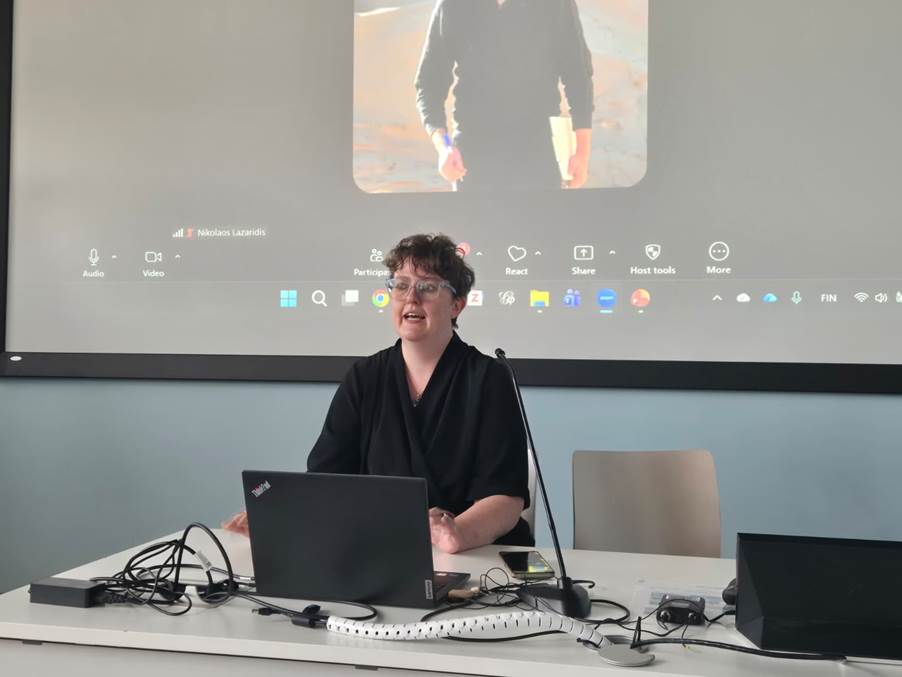
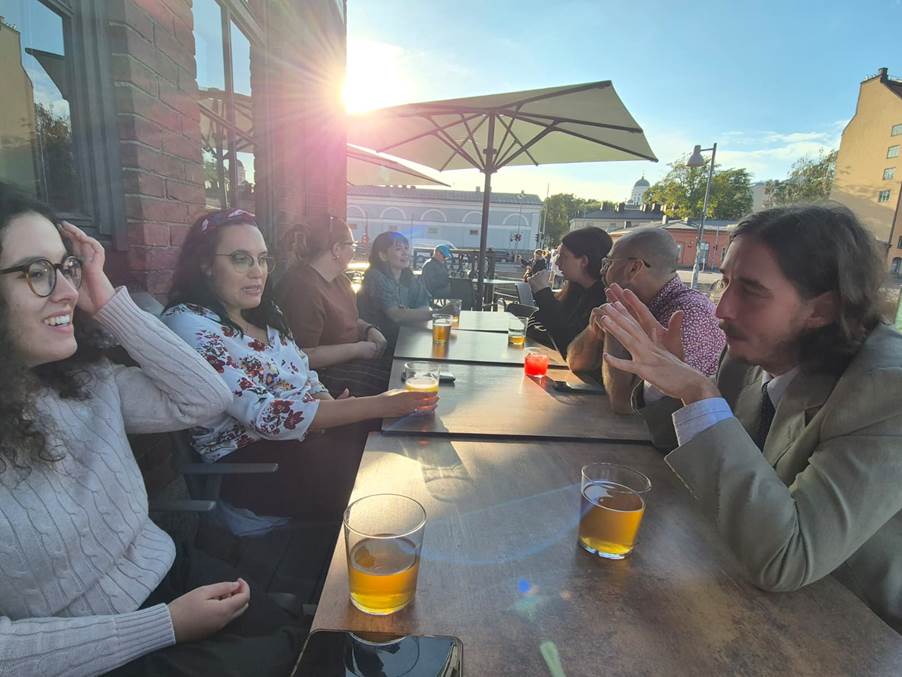
Not only that, but there were instances where the unique material of ancient Western Asia challenged traditional theoretical models of masculinities. The complex dance of masculinities within a male monarchy in times of crisis (Omar N’Shea), and understanding notions of fatherhood (Patricia Bou Pérez), challenged the hegemonic masculinities model of Raewynn Connell and the model for female masculinities by Jack Halberstam. These challenges demonstrate the importance of examining ancient Western Asia masculinities. The unique material force us to reconsider previously accepted models, and have the power to force us to re-evaluate how we understand ancient and modern masculinities.
In my closing remarks I wanted to remind everyone in the room and on Zoom the importance of workshops like these. The toxic influence of the manosphere is permeating throughout modern society an causing real harm and violence. To counter the narrative, I challenged everyone to shout from the rooftops about figures like intersex Hermaphroditus; about the homoerotic Ugaritic gods; about the romance of Gilgamesh and Enkidu. About the findings and results which couldn’t be included in this short bog post. The more we talk about these different forms of masculinities, the more we can counter the toxic narratives that are driving more and more men to violence.
 Ellie Bennett